

Understanding How Food Container Materials Respond to Hot and Cold Foods
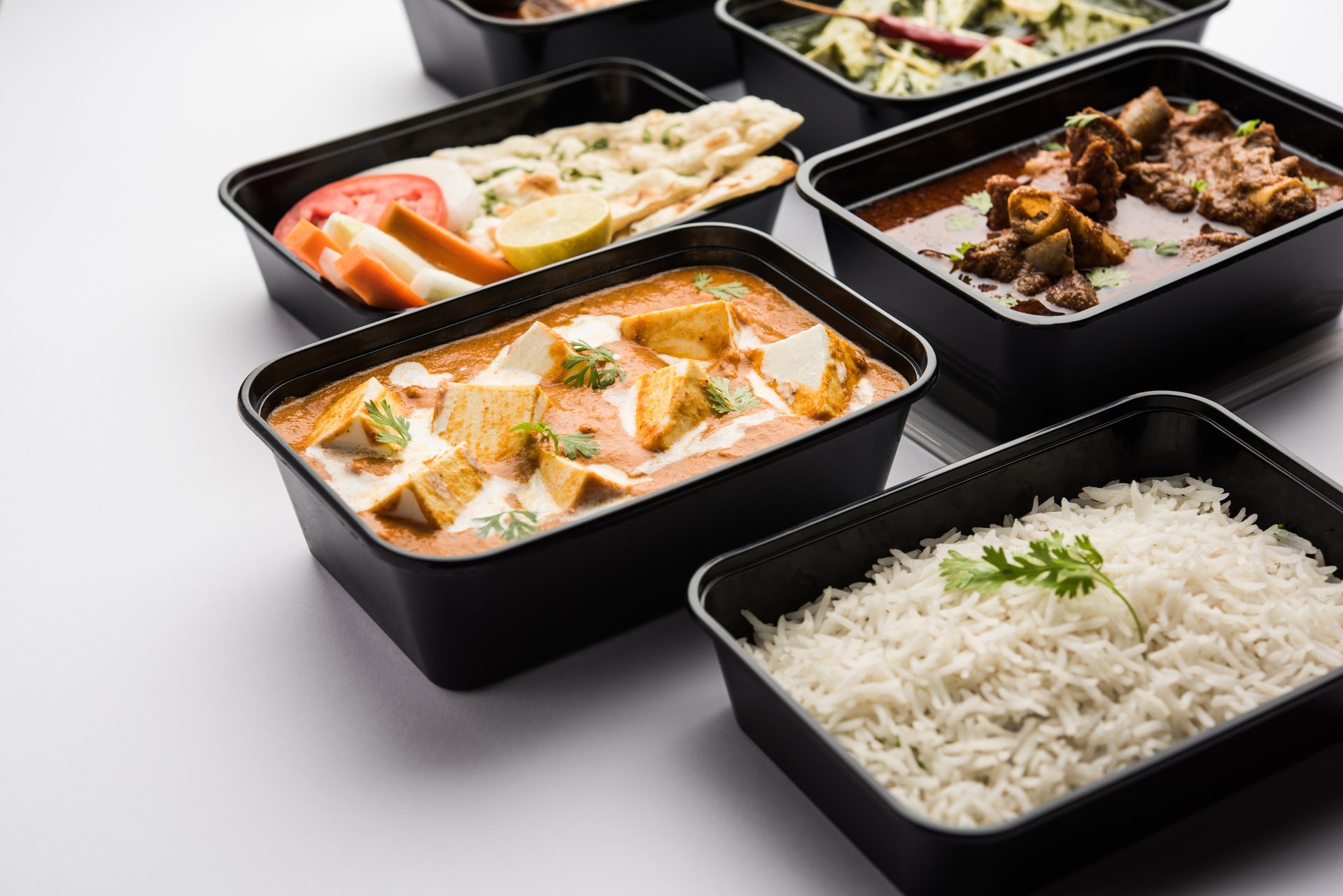

A container that works for a cold sandwich may not be appropriate for hot gumbo, just as packaging intended for a hot entrée may not be the right choice for a frozen dessert”
BATON ROUGE, LA, UNITED STATES, September 10, 2026 /EINPresswire.com/ -- Food containers may look relatively similar on a restaurant counter or catering table, but the materials used to manufacture those containers can behave differently when exposed to hot, cold, greasy, moist or frozen foods. Paperboard, plastic, aluminum, foam and molded-fiber containers each have characteristics that can affect temperature retention, moisture resistance, structural stability and food handling.— Mark F. Schneider
Restaurants, cafeterias, caterers, food trucks, convenience stores and institutional kitchens regularly use several types of disposable food containers. Selecting an appropriate material often depends on the temperature and characteristics of the food being packaged.
“A container that works for a cold sandwich may not be appropriate for hot gumbo, just as packaging intended for a hot entrée may not be the right choice for a frozen dessert,” said Mark F. Schneider, President of Schneider Paper Products in Baton Rouge, Louisiana. “Temperature, moisture, grease and the amount of time food remains inside the container can all affect how different materials perform.”
Paperboard Containers Provide Versatility
Paperboard is used for numerous food-packaging applications, including takeout boxes, cartons, trays and containers.
The material can provide structural support while remaining relatively lightweight. Many paperboard food containers include coatings or barriers designed to reduce the absorption of moisture and grease.
Hot foods can create challenges for untreated paper because steam, sauces and oils may soften the material. Barrier coatings can help maintain the container's structure during normal food-service use.
Cold foods introduce different considerations. Condensation can form when cold food is placed in warmer, humid air. Moisture resistance can therefore remain relevant even when the food itself is not hot.
The type of coating, construction and intended application can affect how a particular paperboard container responds.
Plastic Containers Vary by Resin Type
The word plastic describes a broad category rather than a single food-container material.
Different plastic resins have different temperature tolerances and physical characteristics. Polypropylene, polyethylene terephthalate and other plastics can be used for different food-service applications.
Some polypropylene containers are designed for hot foods and reheating applications. PET containers, commonly used for salads, fruit, bakery products and cold foods, generally serve different temperature requirements.
Heat can cause certain plastics to soften or deform when temperatures exceed the limits established for the container.
Cold temperatures can also affect plastics. Some materials may become more rigid or brittle under refrigerated or frozen conditions.
Manufacturer specifications therefore remain relevant when determining whether a plastic container is appropriate for a particular temperature range.
Aluminum Responds Differently to Heat
Aluminum containers are commonly associated with hot entrées, baked foods, catering applications and food preparation.
Aluminum conducts heat readily.
That characteristic allows an aluminum pan to transfer heat efficiently during cooking or reheating when the container is designed for that purpose. The same characteristic means the exterior of a container can also become hot relatively quickly.
Aluminum can tolerate temperatures that would damage many plastic containers, but lids and other components may be made from different materials with separate temperature limitations.
Cold applications are possible as well. Aluminum containers can be used for refrigerated and frozen foods, depending on the product and intended application.
Food composition also matters. Highly acidic or salty foods may interact with uncoated aluminum during extended contact, making container specifications and intended use important considerations.
Foam Provides Thermal Insulation
Foam food containers have traditionally been used for both hot and cold foods because the material contains air pockets that slow heat transfer.
That insulation can help hot foods remain warm while also helping cold foods remain cool.
Foam containers are lightweight and can resist moisture from many foods. However, temperature limitations still apply, particularly around extremely hot foods, direct heating and microwave use.
Local regulations can also affect the availability or permitted use of certain foam food-service products.
As with other container types, the intended use of the specific product should determine the application rather than assumptions based solely on appearance.
Molded Fiber Handles Temperature in Another Way
Molded-fiber containers have become increasingly common in takeout and food-service settings.
These containers can be manufactured from materials such as recycled paper fiber, bagasse and other plant-based fibers.
Molded fiber can handle a range of hot and cold foods, but moisture and grease resistance depend partly on how the container is manufactured and whether a barrier treatment is present.
Steam from hot foods can soften some fiber products over time. Foods containing sauces, oils or significant moisture may require containers specifically designed for those conditions.
Cold foods can create condensation, presenting another form of moisture exposure.
Steam Can Be as Important as Temperature
Hot food creates more than heat.
It creates steam.
When a hot meal is placed inside a closed container, moisture released by the food can collect on the lid and interior surfaces.
That moisture can affect food texture and container performance.
Ventilation can help allow steam to escape in certain applications. Some takeout containers include vented lids or other design features for that purpose.
Foods such as fried chicken, french fries and other crisp items can be particularly affected by trapped steam.
Container selection therefore involves considering both the temperature of the food and the moisture produced after packaging.
Cold Foods Create Condensation
Cold foods present the opposite temperature problem but can produce similar moisture concerns.
A refrigerated container exposed to warm, humid air can develop condensation on exterior or interior surfaces.
In Louisiana, where humidity is rarely shy about making an appearance, condensation can become particularly noticeable.
Materials and coatings intended for cold-food applications can help containers maintain their structure when exposed to that moisture.
Food Characteristics Influence Container Selection
Temperature alone does not determine an appropriate food container.
Grease, acidity, moisture, weight, storage time and transportation conditions can all matter.
A dry pastry and a serving of hot jambalaya may leave the kitchen at similar temperatures but place very different demands on the packaging.
“Food packaging involves matching the characteristics of the food with the characteristics of the container,” Schneider said. “Heat is one factor, but moisture, grease, acidity, storage and transportation can be equally important depending on the application.”
Understanding those differences can help explain why food-service operations use several container materials rather than relying on a single type for every menu item.
About Schneider Paper Products
Schneider Paper Products is a Baton Rouge, Louisiana-based company providing paper, packaging, food-service, janitorial and related products for commercial and institutional operations.
Morgan Thomas
Rhino Digital, LLC
+1 504-875-5036
email us here
Visit us on social media:
Facebook
Legal Disclaimer:
EIN Presswire provides this news content "as is" without warranty of any kind. We do not accept any responsibility or liability for the accuracy, content, images, videos, licenses, completeness, legality, or reliability of the information contained in this article. If you have any complaints or copyright issues related to this article, kindly contact the author above.
