

Industrial Electric Motor Repair Involves Inspection, Testing and Restoration of Critical Components
An electric motor can develop problems from several different sources, so the repair process starts with determining what actually caused the failure or change in operation”
BATON ROUGE, LA, UNITED STATES, September 10, 2026 /EINPresswire.com/ -- — Joel Chaky
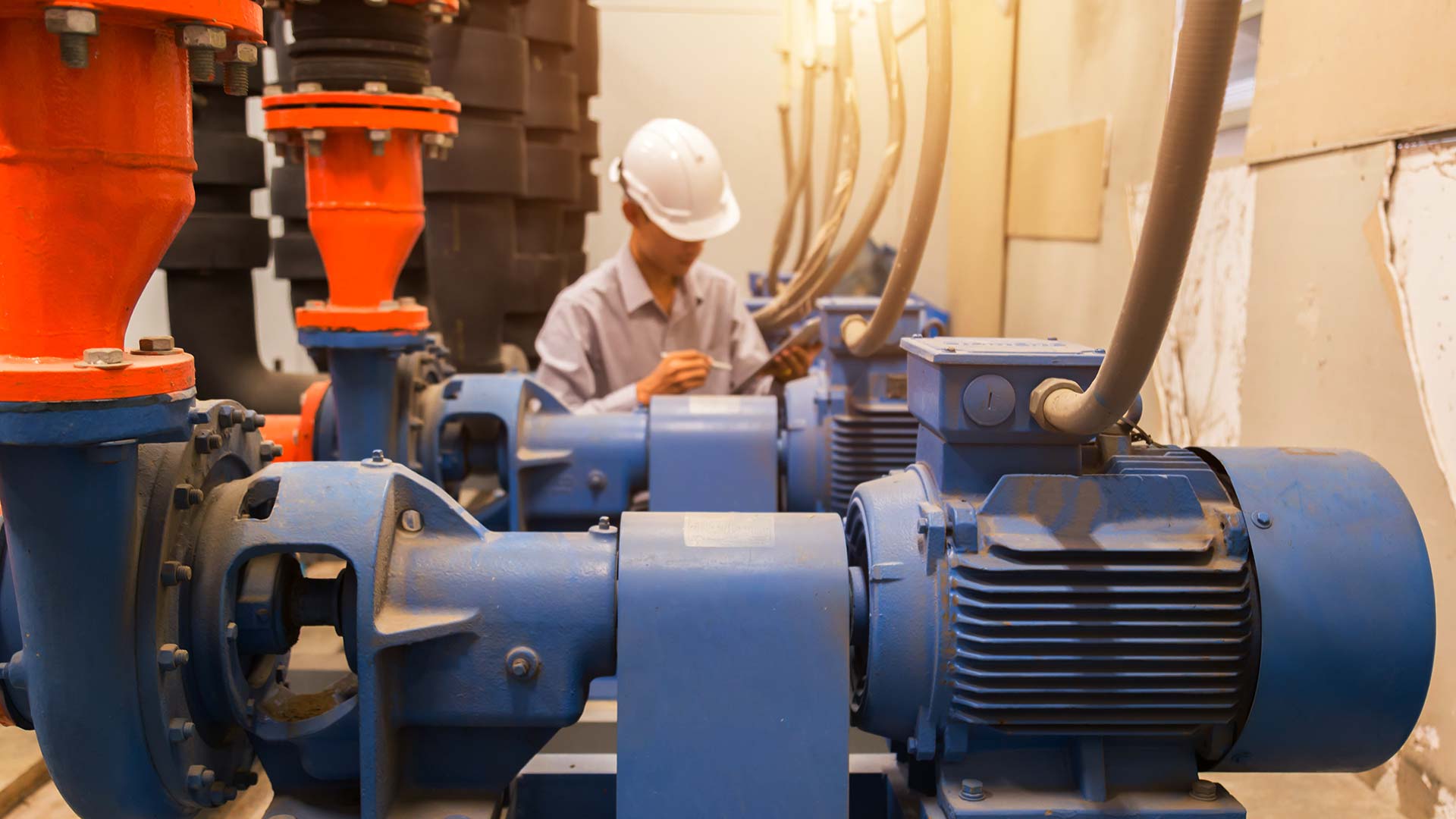
Industrial electric motors operate pumps, fans, compressors, conveyors and other equipment used throughout manufacturing, processing, environmental, marine and industrial facilities. When a motor begins overheating, vibrating, producing unusual noise or failing to operate properly, determining the source of the problem often requires a systematic inspection and repair process.
Industrial electric motor repair can involve electrical testing, mechanical inspection, disassembly, cleaning, bearing evaluation, winding assessment and examination of shafts, housings and other internal components. The specific repair process depends on the motor design, operating environment and condition discovered during evaluation.
“An electric motor can develop problems from several different sources, so the repair process starts with determining what actually caused the failure or change in operation,” said David Callender, owner of NEMSCO (National Electric Motor & Supply Co.) in Baton Rouge. “Electrical conditions, bearings, contamination, heat, alignment and operating loads can all affect motor performance, and identifying the underlying condition is an important part of deciding what repairs are appropriate.”
Initial Evaluation Provides Information About Motor Condition
The repair process commonly begins by documenting the motor and gathering available information about its operation.
Motor identification plates can provide details such as horsepower, voltage, speed, phase and other specifications. Information about the equipment driven by the motor may also provide context.
Technicians may examine the exterior for signs of overheating, contamination, physical damage or other abnormalities.
Burn marks, damaged leads, deteriorated insulation, unusual odors and evidence of oil, water or debris can provide clues about conditions inside the motor.
Operational history can also be useful. Repeated overheating, unusual vibration or recent changes in equipment performance may help narrow the possible causes.
Electrical Testing Can Identify Winding Problems
Industrial motors contain windings that create the electromagnetic forces necessary for rotation.
Those windings rely on insulation to keep electrical current traveling through the intended pathways.
Heat, contamination, age, vibration and electrical conditions can gradually affect insulation.
Electrical testing can help evaluate winding condition and insulation integrity.
Depending on the motor and circumstances, technicians may perform resistance measurements and insulation tests or use other diagnostic methods to identify shorts, grounds, open circuits or imbalances.
“Visible damage does not always tell the entire story,” Callender said. “Testing provides information about electrical conditions that may not be apparent from an exterior inspection.”
Disassembly Allows Internal Components to Be Examined
When further evaluation or repair is required, the motor may be disassembled.
Components can be marked or documented to assist with proper reassembly.
End bells, bearings, rotor assemblies and other parts are removed according to the motor's construction.
Once internal components become accessible, technicians can inspect areas that cannot be evaluated from outside the housing.
Wear patterns, contamination, heat discoloration and mechanical damage can provide additional information about how the motor was operating before the problem developed.
Bearings Are Common Inspection Points
Bearings support the rotating shaft and allow the rotor to turn with limited friction.
Because bearings experience continuous mechanical loads during operation, their condition is an important part of motor evaluation.
Improper lubrication, contamination, excessive loading, misalignment and normal wear can affect bearing life.
Damaged bearings may contribute to noise, vibration and increased operating temperatures.
Bearing inspection may include checking for wear, damage, looseness or evidence of lubrication problems.
Related surfaces and bearing housings may also require evaluation because replacing a bearing alone may not address damage elsewhere in the assembly.
Shafts and Rotating Components Require Mechanical Evaluation
The motor shaft transfers rotational force to the equipment being driven.
Damage, excessive wear or dimensional changes can affect alignment and operation.
Technicians may inspect shafts, keyways, rotor components and other rotating parts for physical damage or unusual wear.
Measurements can be taken when necessary to determine whether components remain within applicable tolerances.
Mechanical problems can sometimes produce symptoms that initially appear electrical.
For example, excessive mechanical resistance can increase motor load and operating temperature.
Cleaning Removes Contamination
Industrial motors frequently operate in environments containing dust, moisture, oil, chemicals and other contaminants.
Material accumulating inside a motor can interfere with cooling and may affect electrical insulation or mechanical components.
Cleaning can therefore become part of the repair process.
The appropriate cleaning method depends on the motor and type of contamination present.
Once components are cleaned, inspection may reveal damage that was previously hidden by accumulated material.
Windings May Require Repair or Rewinding
When motor windings are damaged, the repair process may involve rewinding.
Existing winding information can be documented before damaged material is removed. Replacement windings are then installed according to the motor's electrical and physical requirements.
Insulation materials and processes are used to support and protect the windings.
The completed winding assembly may undergo additional electrical testing before final reassembly.
Not every motor problem requires rewinding. Testing and inspection help determine whether winding work is necessary or whether the failure originated elsewhere.
Reassembly Requires Attention to Mechanical Relationships
After repairs are completed, the motor is reassembled.
Bearings, seals, end bells, rotors and other components must return to their appropriate positions.
Clearances, alignment and hardware condition can affect operation.
Lubrication requirements may also be addressed according to the motor and bearing design.
Improper assembly can introduce vibration, friction or alignment problems even when the original damaged component has been repaired.
Testing Helps Verify Operation
Repair does not necessarily end when the motor is physically reassembled.
Testing can provide information about whether electrical and mechanical conditions are operating as intended.
Electrical measurements, rotational checks, vibration observations and other procedures may be performed depending on the motor and repair scope.
Documentation can also provide a record of findings, repairs and test results.
Understanding the Cause Can Help Address Repeat Failures
An industrial motor failure may sometimes be a symptom of another condition.
Misalignment, excessive loads, poor ventilation, contamination, voltage problems or environmental exposure can contribute to repeated motor damage.
Repairing the motor without considering those conditions may leave the original cause unchanged.
Evaluating the circumstances surrounding the failure can therefore be an important part of the repair process.
Industrial electric motor repair involves more than replacing a damaged part. Inspection, testing and mechanical evaluation help determine why the motor developed a problem and what work is needed to return the equipment to appropriate operating condition.
For industrial facilities dependent on motor-driven equipment, understanding that process can provide useful context when evaluating equipment maintenance and unexpected motor failures.
Morgan Thomas
Rhino Digital, LLC
+1 504-875-5036
email us here
Visit us on social media:
Facebook
Legal Disclaimer:
EIN Presswire provides this news content "as is" without warranty of any kind. We do not accept any responsibility or liability for the accuracy, content, images, videos, licenses, completeness, legality, or reliability of the information contained in this article. If you have any complaints or copyright issues related to this article, kindly contact the author above.
